On-model sets. No shoot day.
Send the reference you already have. The garment comes back on-model, on a consistent set, so a whole category page reads as one shoot rather than twelve.
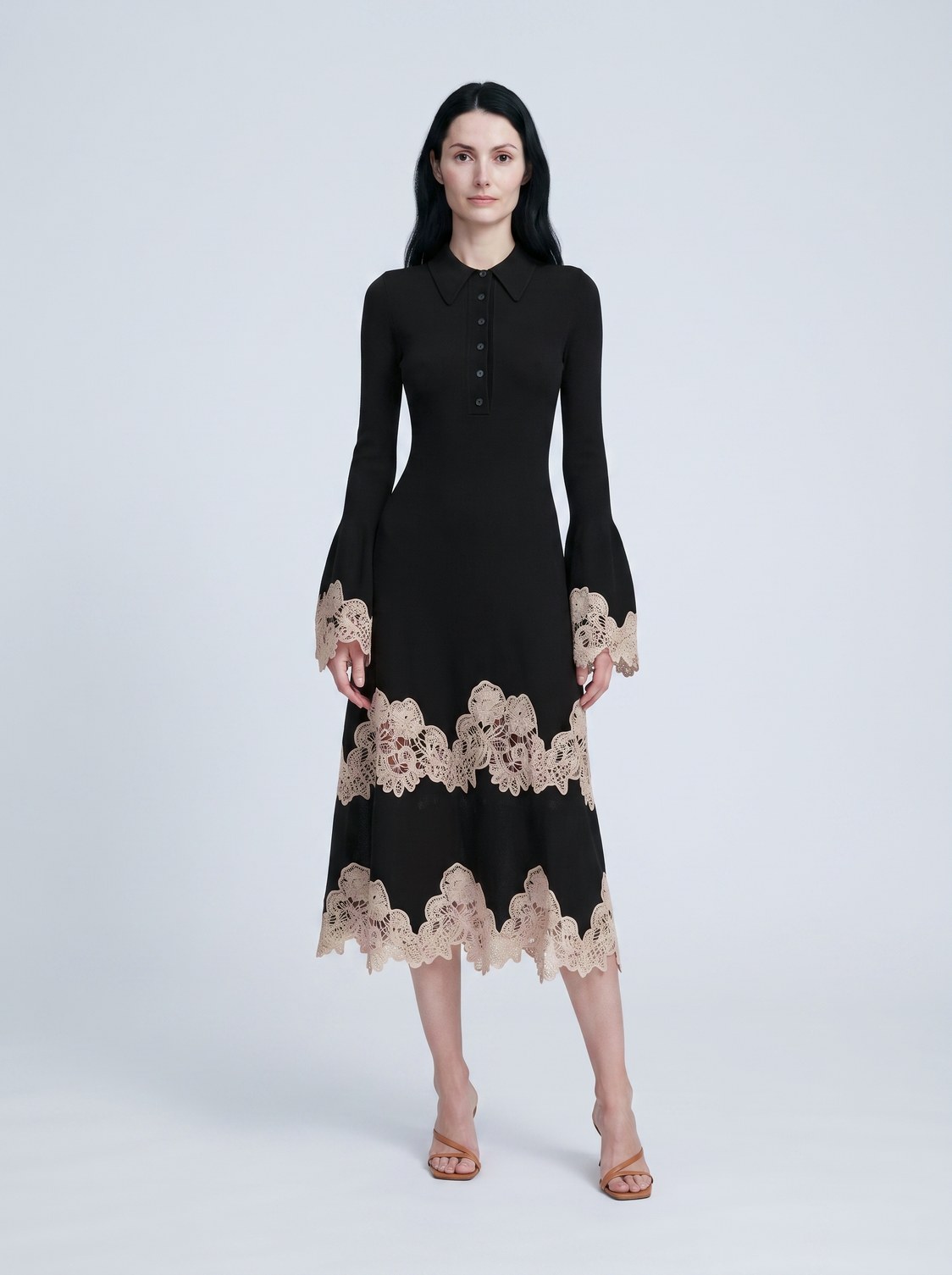
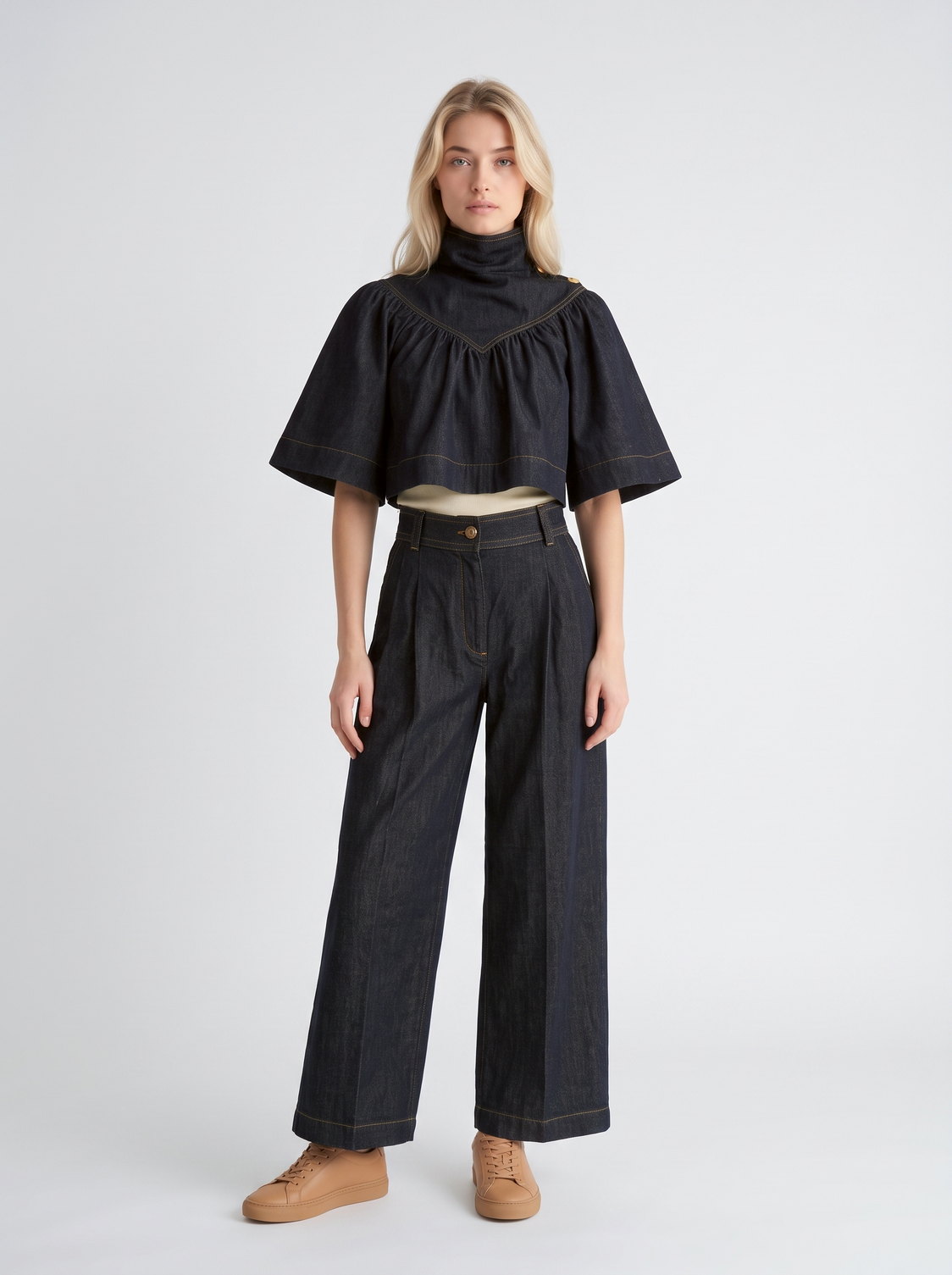
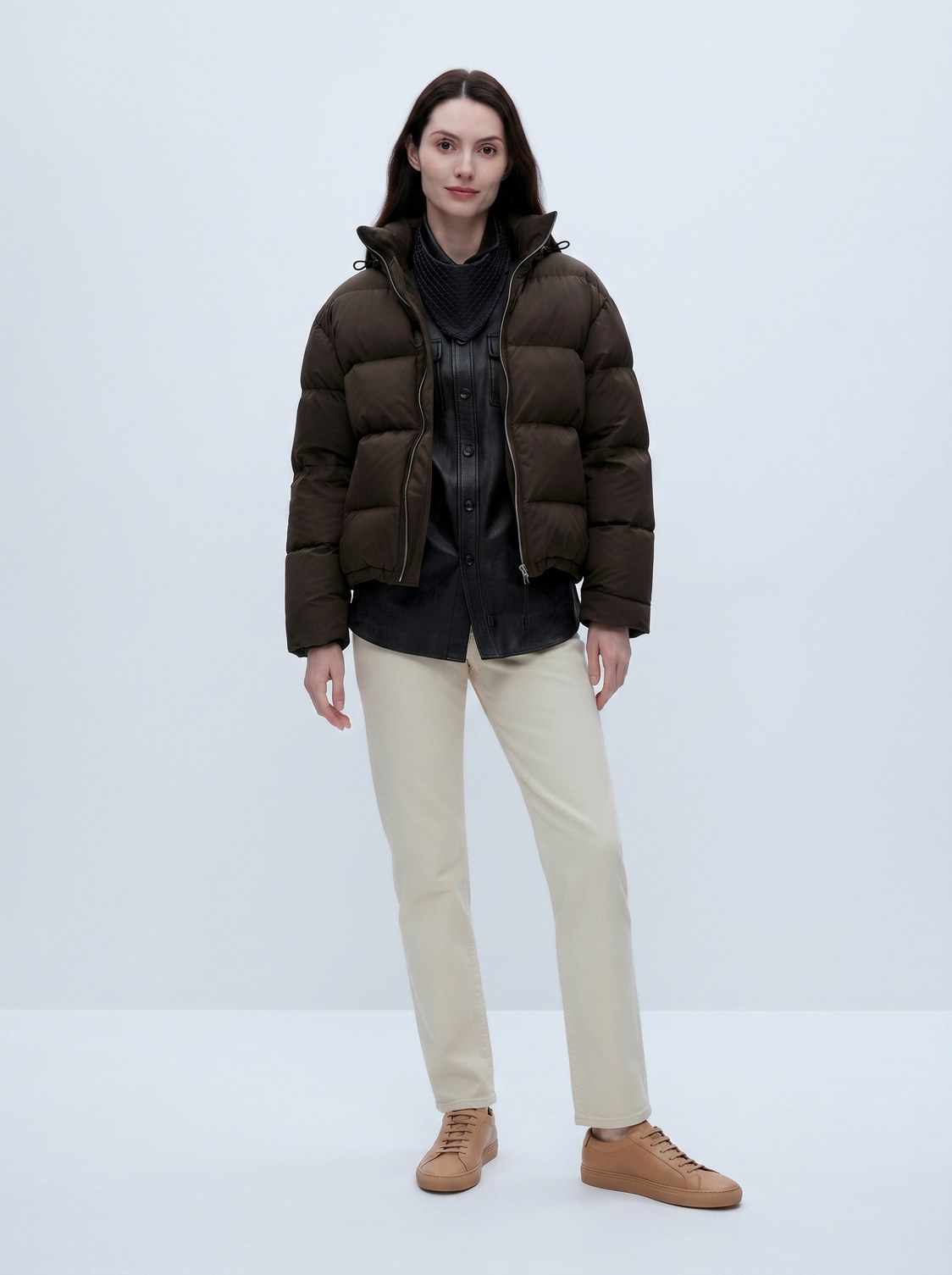


Same garment. Our set.
Left is the reference the brand sent. Right is what came back. Drag across any of the eight.
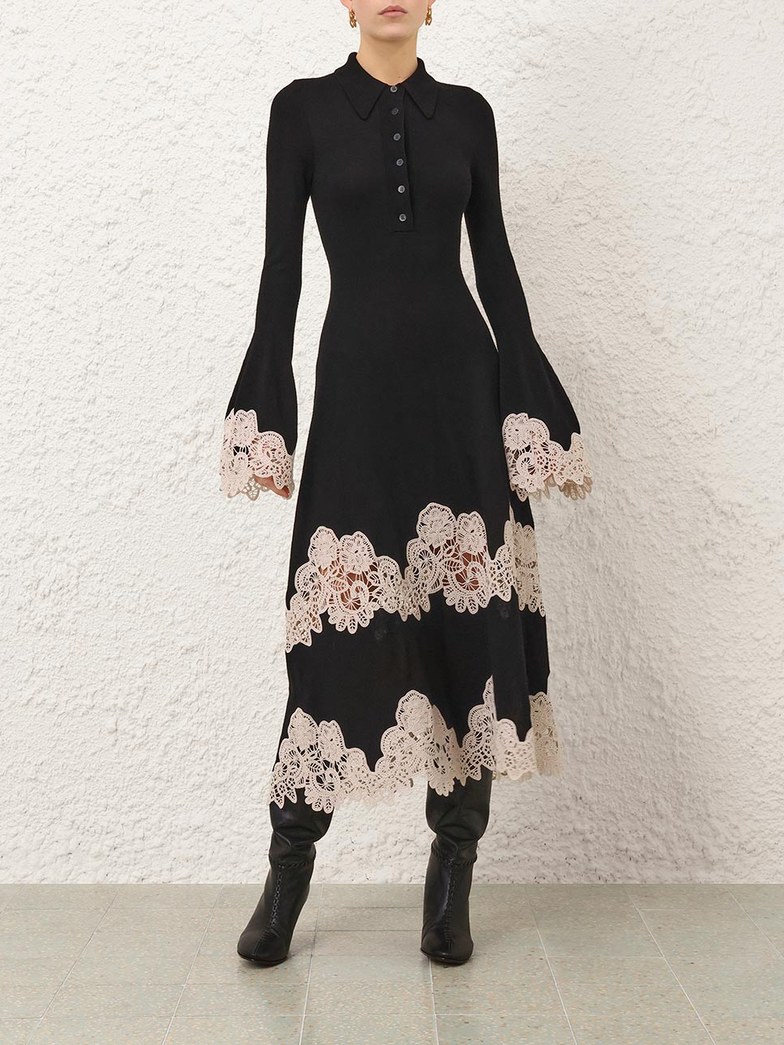 Their referenceOur output
↔
Lace midi dress
Drag the handle. Left is what the brand sent us. Right is what came back, shot on a consistent set so the whole range reads as one shoot.
Pick a garmentSend the flats. Get the range back.
Seven steps, run every drop.
Send what exists
Flat lays, packshots, fit notes. No studio slot, no sample shipping, no call sheet.
Agree the look
Model direction, styling, background and light, decided once for the whole drop.
Build the first garment
One look comes back before the range starts, so the set is signed off on a real garment.
Produce the range
Every SKU on the same set-up, so the category page reads as one shoot.
Check the fit
Drape, length and print placement reviewed per garment. Anything dishonest gets flagged back.
Cut the ratios
Feed, story and banner composed per placement rather than cropped from a master.
Extend on demand
New colourways, markets and size representation slot into the same look later.
Three things that make a category page look cheap.
Not the photography. The decisions around it.
Every garment shot on a different day
A drop photographed across three sessions reads as three brands. Light shifts, the model changes, the background moves half a stop, and the category page becomes a patchwork that no amount of grid layout can rescue.
The set-up is agreed once and held across the whole drop. Same light, same distance, same crop logic, whether that is eight garments or eighty.
Letting the model flatter the garment
A sample pinned at the back photographs beautifully and sells a return. Shoppers notice the gap between the image and the parcel, and the return rate is where it shows up, not the engagement rate.
Drape, length and fit are represented as the garment actually behaves. Anything that cannot be shown honestly gets flagged back to you rather than quietly fixed in post.
Shooting the hero and forgetting the range
Budget goes to six hero looks and the remaining forty SKUs get a flat lay. Those forty are usually where the volume sits, and they are the ones a shopper actually scrolls past.
The range is costed as a range. Hero treatment and long-tail coverage come off the same set-up, so the fiftieth SKU looks like the first.
What does a month look like?
Set the volume. The turnaround follows.
Size a month before you talk to anyone.
Frequently asked.
Everything brands ask before the first batch.
That is the point. The set-up is agreed once and held, so twelve garments read as one shoot rather than twelve sessions.
Model swaps run against the same look, so a size range or a market variant does not restart the shoot.
There is no minimum, but the saving compounds with range. One garment proves the look; fifty is where the scheduling maths changes.
Yes. Full usage on everything produced, with no per-placement licensing.
Send the frames you want matched and the set is built to sit beside them rather than replace them.
The first garment is the sign-off point. Once the look is agreed, the range runs against it, so revisions are rare and cheap.
Yes, and it is often the right call for SKUs where a model adds nothing.
The other lines in the studio.
Most brands arrive for one and end up using three.
Product photography
Packshot, lifestyle, detail and campaign imagery without booking a shoot.
↗02Performance creative
Static, motion, video and creator cutdowns, briefed on what your category already rewards.
↗03Catalog creative
High-SKU creative systems for feeds, launches and paid catalog campaigns.
↗04Amazon and marketplace
PDP imagery, A+ modules, storefronts and marketplace-ready variants.
↗Send one garment. See a look back.
Share a packshot and the range you need covered.